

We don’t have to be cardiologists to support our patients’ cardiovascular health. I certainly am not a specialist in that area, but I do know that both nutrition and digestion play a major role in maintaining the health and longevity of this important system. This article will show how supporting nutrition through optimal digestion can help promote lasting cardiovascular health.*
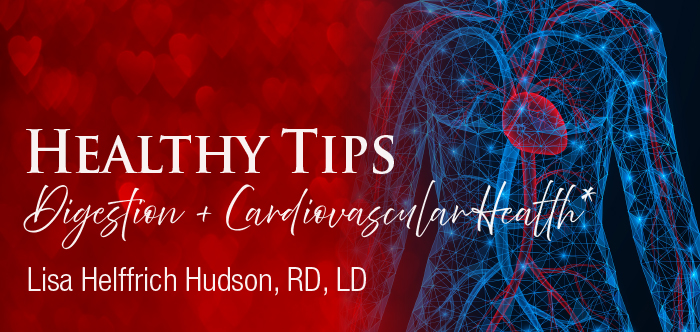
Next to the digestive system, I believe our cardiovascular system is arguably the most important system in the body. Without nutrients from digestion, the heart cannot pump. And without the heart pumping blood, the nutrients are not delivered. We must have both, and both rely on each other.
The cardiovascular system, also called the circulatory system, is made up of the heart, the vessels, and the blood – the pump, the pipes, and the fluid. Think of it as our internal transportation system. As we look at each part separately, consider the role each part plays in our body and keep in mind the fact that our dietary and lifestyle choices are what influence this system the most.
The Blood
I want to start with the blood because it affects everything else. For the most part, what we put in our body ends up in the blood. Under ideal conditions, we use it or eliminate it. Under not-so-ideal conditions, we continue to circulate it or store it in our organs and tissues. Excessive circulating or stored toxins will ultimately have a negative impact on the body, in this case on the heart and vessels. We all want the ideal conditions, right? So how do we get there?
Our blood is made up of red blood cells (RBC), white blood cells (WBC), platelets, and plasma. That’s interesting – we all know there is so much more in the blood. But remember, we are talking about our transportation system. The blood and its RBC’s are the transporters. The RBC’s carry oxygen, nutrients, hormones, enzymes, and neurotransmitters to their target sites – our cells, tissues, and organs. Without this transportation system, it is very easy to see the body would quickly cease to function. The blood is also responsible for carrying waste and toxins from the cells for removal from the body. Without this function, our internal environment would become unbearably polluted and basically shut the body down. Therefore, maintaining the blood is crucial to not only the cardiovascular system but our entire body and its ability to function!
The quality of our diet and digestion can often be reflected in our blood, specifically the health of the cells and the presence or absence of other molecules. A balanced diet properly digested supplies glucose, fatty acids, amino acids, vitamins, minerals, and antioxidants that promote healthy RBC’s and minimize cholesterol, plaque, free radicals (glycated and oxidized proteins), and toxins. Our goal is “clean” blood which protects the vessels and heart and very efficiently delivers nutrients throughout the body.
The next point of interest is the flow of the blood. Our own endogenous enzymes are at work constantly managing and controlling fibrin and clot formation. Excess proteins in the blood, poor digestion, and stress can all cause the RBC’s to aggregate and clump together. When this happens, their ability to transport nutrients and remove waste is severely diminished. If aggregation and poor flow persists, the heart has to work harder, the vessels become damaged and our health suffers. Supplemental digestive and proteolytic enzymes are a very natural and effective way to manage the content of the blood and how well it flows.*
The Heart
Let’s talk about the heart – the “engine” that drives our transportation system. When was the last time your heart stopped or took a break from its day-to-day beating? Has it had a vacation lately? I realize that is a silly question and know that it cannot stop, but I am trying to make you think. From the moment it begins beating (which by the way is around day 21 after fertilization until the moment we die) our heart beats! When you think about that it is pretty amazing! Why the constant beating? The heart’s sole purpose is to pump blood through the vessels, transporting nutrients and oxygen to every cell in the body. Without it we die.
So what can we do nutritionally to support our heart? Since the heart is a muscle, and as mentioned above never stops moving, it needs a constant supply of fuel for energy. We must supply it with proper amounts of carbohydrates and fats and ensure proper digestion for optimum availability of this fuel. It also needs proteins and amino acids to maintain its tone and strength. Additionally, from these food sources certain nutrients such as omega 3 fatty acids, Vitamin E, folic acid, other B vitamins, and magnesium are also necessary for energy production and optimal heart function. Other factors that influence the heart are regular exercise, how well we manage stress and of course the health of the vessels and blood. If the vessels and blood are not well maintained, they put a greater demand on the heart.
The Vessels
Our vessels are a network of arteries, veins, and capillaries that carry blood to and from the heart. With regard to healthy blood vessels, we are interested in their flexibility, volume capacity and having smooth, clean walls. This optimizes blood flow and reduces the demand on the heart to pump and deliver blood.
This leads us back to the content of the blood, where control of excess fats, proteins and free radicals is important. Here too, healthy diet (EFA’s and antioxidants) and optimal digestion will help maintain the vessels in good condition. The healthier our diet and digestive system are, the healthier our blood, heart, vessels, and entire body will be!
Clinical Observations
There are many ways to monitor cardiovascular health. Assessing these parameters not only gives us a baseline to measure results but also tells us the area of greatest priority to focus on. Our clinical observations have shown positive results. Having used nutrition and enzyme therapy for many years, I have consistently seen improvement in test results and overall health. Darkfield microscopy is another nutritional assessment tool I have used. It gives a visual picture of blood flow, toxicity, and RBC health. The patient is able to see how effective their diet and nutritional changes have been, which really boosts compliance.
Lastly, we can look at lab values such as C-reactive protein, homocystine levels, and other markers. For example, in a study conducted at with Baylor, we looked at specific cytokines as well as Cox2. We were able to measure the impact of protease enzymes. If we take these findings and apply them to our current subject, we can easily see how proteolytic enzymes could help support the heart and manage the entire cardiovascular system. If you have not seen the results of this study, please ask us for them.
The Foundation
When we consider what the cardiovascular system does and the fact that it literally touches every other system of the body, why would we not focus on supporting its health? The following cardiovascular health support program along with a healthy diet and exercise is the perfect place to start.
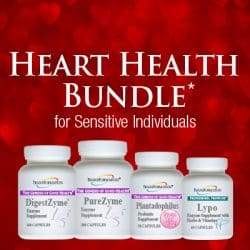
- A digestive enzyme formula with meals will help ensure proper breakdown of foods to supply the heart with energy and reduce the risk of buildup in the blood.*
- A probiotic supplement further supports digestion and the immune system while helping to maintain a healthy gut microflora environment.*
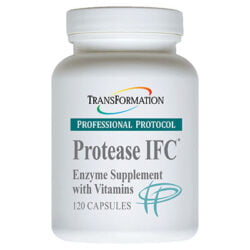
- A protease formula between meals will help promote optimal blood flow and efficient elimination, supporting the overall health of our heart, vessels, and blood.*
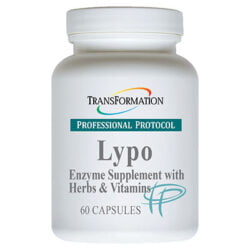
- Additional enzymes including lipase with supportive antioxidants and herbs can further encourage the digestion of fats help manage lipoproteins and oxidized proteins.*
Along with appropriate dietary and lifestyle changes, this nutrition and enzyme protocol can assist our patients to maintain a healthy balance.* They can manage fat intake by avoiding saturated and trans-fats and by eating healthy fats like salmon, avocado, walnuts, olives, and olive oil. Eating organic, natural “whole foods” will also increase nutrients and antioxidants and help limit free radical damage. Additional supplements can be added such as antioxidants, EFA’s, and herbal formulas for cellular health and repair.*
In Conclusion
The cardiovascular system is our body’s primary internal transportation system. It starts with the blood contained in the vessels and pumped by the heart. The blood carries nutrients, oxygen, hormones, and immune mediators to the cells and metabolic waste from the cells. In these efforts, the cardiovascular system plays an important role in maintaining a healthy cellular environment, promoting healing, and supporting constant communication between all of the other systems of the body. Transformation’s enzyme, probiotic, and nutritional support formulas are designed to help promote healthy digestion, blood flow, and elimination.*
We receive many calls from practitioners asking if enzymes will help their patients. It is pretty clear that support of the digestive and cardiovascular systems will have a positive effect on the body, regardless of the specifics. So yes, I can confidently say enzymes will help your patients 100% of the time! When I’m asked what enzymes you should use, the answer is also clear. We consistently start with the digestive and probiotic formulas plus a protease formula between meals and additional enzymes and/or nutritional support as needed.*
About the Author
Lisa Helffrich Hudson, RD, LD, is a graduate of the University of Texas-Austin.
Featured Products
-
Heart Health Bundles*
Price range: $202.00 through $272.00 Select options This product has multiple variants. The options may be chosen on the product page -
Lypo
$43.99 — or subscribe to save 5% Add to cart -
Protease IFC*
Price range: $41.99 through $69.99 — or subscribe to save 5% Select options This product has multiple variants. The options may be chosen on the product page -
RepairZyme*
Price range: $30.00 through $50.49 Select options This product has multiple variants. The options may be chosen on the product page


- Gluten Free Solutions - March 5, 2026
- Happy Hearts - February 2, 2026
- Healthy Tips for Clearing Toxicity from the Body - January 8, 2026

Leave a Reply